
"20th century"
500 article(s) found

Innovative baking technology in the 20th century: the baking method using purely hot air flow
Innovative baking technology in the 20th century: pure use of hot air baking, of course, how could there be no innovative baking technology in this era of the twentieth century? In the middle of the twentieth century, there were two major milestones in the evolution from direct and indirect fire baking to hot air baking. In 1934, Garbeth Burns developed a machine called Thermalo

Evolution history of bean baking machine
At the beginning of the history of household roaster coffee, there were only household bean baking utensils in the world. These bean baking utensils were standard accessories in ordinary people's kitchens until the early 20th century. 16th century: the simple construction tool of the Iraqi baking pot is to move the pot to a small fire or a heat source on a coal fire.
Innovative baking technology in the 20th century: the baking method using purely hot air flow
Of course, how could there be no innovative baking technology in this era of the 20th century? In the middle of the twentieth century, there were two major milestones in the evolution from direct and indirect fire baking to hot air baking.

Common sense of coffee roaster used in coffee shop
Coffee shop bean dryers, retail bean dryers, and small bean dryers are all medium to small bean dryers, which are often used in coffee shops during wartime. Before the early 20th century, most of their coffee beans were made by bean roasters in such cafes, as long as they were not baked at home, but by the early 1950s, large baking plants and pre-ground

Home baking utensils household baking appliances
At the beginning of the history of coffee, there were only household bean baking utensils in the world. These bean baking utensils were standard accessories in ordinary people's kitchens until the early 20th century. 16th century: the simple construction tool of the Iraqi baking pot is to move the pot to a heat source on a small fire or coal fire and stand on its feet on a long handle.

Wonderful fruit-flavored coffee Kenyan coffee beans
It entered Kenya in the 19th century, when Ethiopian coffee drinks were imported into Kenya through southern Yemen. But it was not until the early 20 th century that the Bourbon Coffee Tree was saint. The Austin Mission (St.AustinMission) was introduced. Kenyan coffee is mostly grown at 15002100 meters above sea level and is harvested twice a year. To ensure that only ripe berries are picked, people must patrol the forest
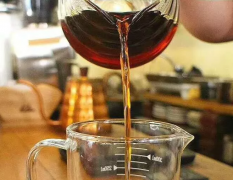
Wonderful fruit-flavored coffee Kenya boutique coffee
It entered Kenya in the 19th century, when Ethiopian coffee drinks were imported into Kenya through southern Yemen. But it was not until the early 20th century that the bourbon was introduced by the St. Austen Mission (St.AustinMission). Kenyan coffee is mostly grown at 15002100 meters above sea level and is harvested twice a year. To ensure that only ripe berries are picked, people must be in the forest
Demand for coffee in Europe began in the 17th century with charcoal coffee stoves
In the 17th century, demand for coffee emerged in Europe, and small quantities of roasted coffee beans began to be imported to Yemen. In the 18th century, coffee shops were everywhere in Europe, coffee consumption soared, and Yemeni mocha alone was no longer enough. It is estimated that Yemen's coffee bean production in 1970 was about 20,000 tons, which is already insufficient to meet the newly emerging European demand. Bean prices remain high,

The emergence of coffee demand in Europe began in the 17th century
In the 17th century, there was a demand for coffee in Europe and began to import small quantities of roasted coffee beans from Yemen. In the 18th century, with the fragrance of European cafes and the sharp increase in coffee bean consumption, the Yemeni mocha alone was no longer enough. It is estimated that the output of coffee beans in Yemen in 2007 ○○ is about 20, 000 tons, which is stretched to meet the rising demand of Europe. The price of beans is high and the port of Mocha is busy.
Wonderful fruit-flavored coffee Kenyan coffee
It entered Kenya in the 19th century, when Ethiopian coffee drinks were imported into Kenya through southern Yemen. But it was not until the early 20 th century that the Bourbon Coffee Tree was saint. The Austin Mission (St.AustinMission) was introduced. Kenyan coffee is mostly grown at 15002100 meters above sea level and is harvested twice a year. To ensure that only ripe berries are picked, people must patrol the forest

Wonderful fruit-flavored coffee Kenya boutique coffee
It entered Kenya in the 19th century, when Ethiopian coffee drinks were imported into Kenya through southern Yemen. But it was not until the early 20 th century that the Bourbon Coffee Tree was saint. The Austin Mission (St.AustinMission) was introduced. Kenyan coffee is mostly grown at 15002100 meters above sea level and is harvested twice a year. To ensure that only ripe berries are picked, people must patrol the forest
Wonderful fruit-flavored coffee-Kenyan coffee
It entered Kenya in the 19th century, when Ethiopian coffee drinks were imported into Kenya through southern Yemen. But it was not until the early 20 th century that the Bourbon Coffee Tree was saint. The Austin Mission (St.AustinMission) was introduced. Kenyan coffee is mostly grown at 15002100 meters above sea level and is harvested twice a year. To ensure that only ripe berries are picked, people must patrol the forest

Characteristics of Kenyan Coffee producing areas introduction of Kenyan Coffee Flavor Kenya Coffee
It originated in Kenya in the 19th century, when Ethiopian coffee drinks were imported to Kenya through Southern Yemen. But it was not until the early 20th century that the bourbon was introduced by the St. Austen Mission (St.AustinMission). Kenyan coffee is mostly grown at an altitude of 1500m, 2100m, and is harvested twice a year. To ensure that only ripe berries are picked, people must

The emergence of coffee demand in Europe began with the history and culture of coffee in the 17th century.
In the 17th century, there was a demand for coffee in Europe and began to import small quantities of roasted coffee beans from Yemen. In the 18th century, with the fragrance of European cafes and the sharp increase in coffee bean consumption, the Yemeni mocha alone was no longer enough. It is estimated that the output of coffee beans in Yemen in 2007 ○○ is about 20, 000 tons, which is stretched to meet the rising demand of Europe. The price of beans is high and the port of Mocha is busy.

Introduction of coffee utensils
Turkish coffee pot: popular among the people in the Middle East in the early 19th century, it is called Evelick. It is about six inches tall and has a capacity of about three to four people. it has a long handle, mostly made of pure copper or brass, and a few are internally tinned. Naples turnpot: in the mid-19th century (circa 1860), the French invented a relatively simple coffee filter until 1950

Coffee culture the emergence of coffee demand in Europe began in the 17th century.
In the 17th century, there was a demand for coffee in Europe and began to import small quantities of roasted coffee beans from Yemen. In the 18th century, with the fragrance of European cafes and the sharp increase in coffee bean consumption, the Yemeni mocha alone was no longer enough. It is estimated that the output of coffee beans in Yemen in 2007 ○○ is about 20, 000 tons, which is stretched to meet the rising demand of Europe. The price of beans is high and the port of Mocha is busy.

Coffee culture the emergence of coffee demand in Europe began in the 17th century.
In the 17th century, there was a demand for coffee in Europe and began to import small quantities of roasted coffee beans from Yemen. In the 18th century, with the fragrance of European cafes and the sharp increase in coffee bean consumption, the Yemeni mocha alone was no longer enough. It is estimated that the output of coffee beans in Yemen in 2007 ○○ is about 20, 000 tons, which is stretched to meet the rising demand of Europe. The price of beans is high and the port of Mocha is busy.

Kenyan boutique coffee introduction Kenyan coffee specialty Kenyan coffee flavor Kenyan coffee
It entered Kenya in the 19th century, when Ethiopian coffee drinks were imported into Kenya through southern Yemen. But it was not until the early 20 th century that the Bourbon Coffee Tree was saint. The Austin Mission (St.AustinMission) was introduced. Kenyan coffee is mostly grown at 15002100 meters above sea level and is harvested twice a year. To ensure that only ripe berries are picked, people must patrol the forest

Coffee brewing made a comeback a hundred years ago
At the end of the 19th century and the beginning of the 20th century, Bentz Melitta, a German housewife, thought it was too troublesome to make coffee now. One day, she made a hole in the bottom of the copper bowl, took out an blotting paper from her son's schoolbag and put it into the hot water. Immediately, the mellow coffee dripped into the pot through the blotting paper. That's how she invented the ability to filter dregs and retain mellow coffee.